
THE LEARNWILD LEARNING APPROACH
Curiosity leads. Learning follows.
Children learn through the things they notice, the questions they ask and the ideas they try. Learnwild brings those moments into playful, practical learning adventures.
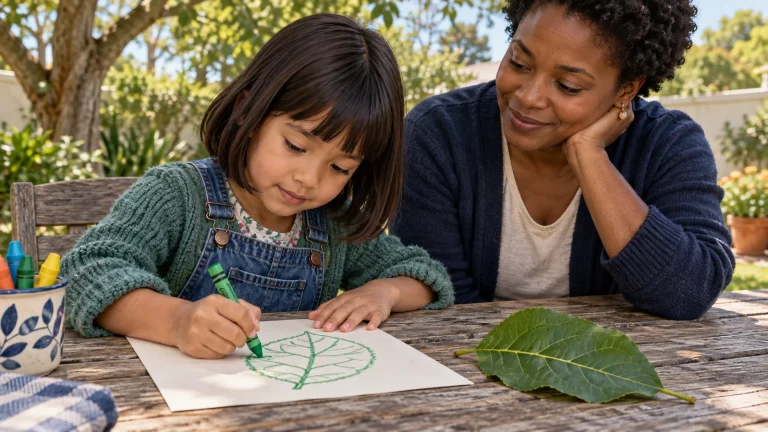
Explore. Notice. Create. Grow.
Four simple ways to make learning active. Move between them at your child’s pace; you do not need to follow a perfect sequence.
Explore
Start with a question, a story or something familiar. Give your child room to wonder and try.
Ask: “What could we find out?”
Notice
Look closely, listen and compare. Talk about colours, sounds, patterns and small details.
Ask: “What do you notice?”
Create
Draw, build, move, tell a story or test an idea. Let your child show their thinking in different ways.
Ask: “How could we try it?”
Grow
Return to a skill, reflect together and notice progress. Make space for another attempt and a break.
Ask: “What would you try next?”
A clear purpose behind the play
Practise a skill
Our learning packs give activities a focus: early language, number ideas, observation, creativity or movement. Product pages explain the main skills each pack aims to practise.
Make room for different responses
A child might talk, point, move or draw before they are ready to write an answer. Use the activity instructions as a starting point and adjust the pace to the child in front of you.
Bring ideas into everyday life
Count objects while tidying, describe a leaf, retell a favourite story or spot a repeating pattern. A page can begin the conversation; learning can continue away from the table.
Value effort and discovery
Notice a thoughtful question, a new strategy or a careful attempt. Progress can be small and uneven. There is no need to finish a whole pack in one sitting.
Rooted in the world around us
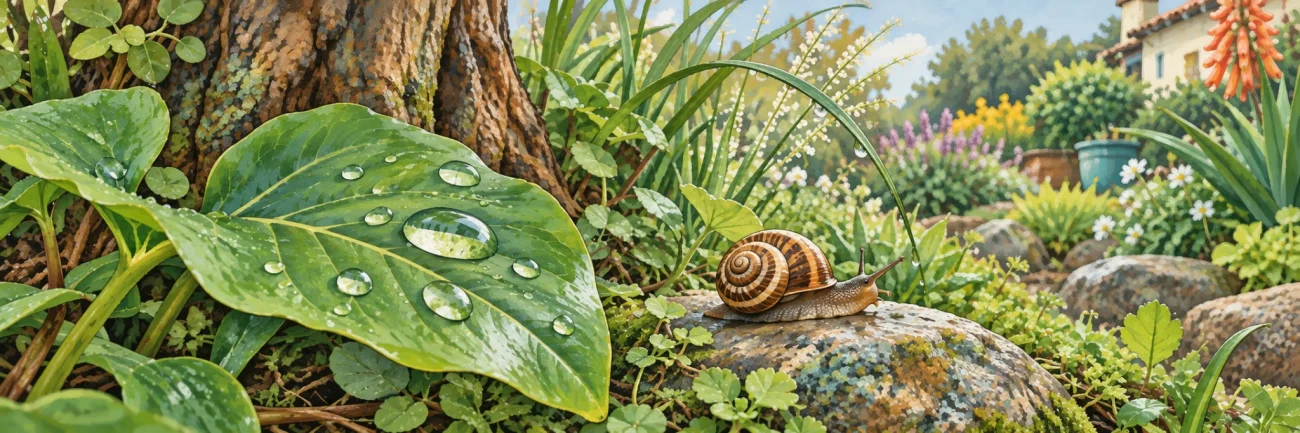
South African places, plants, animals and everyday experiences give children familiar starting points. Invite your child to connect an activity to what they see at home, in their community or outdoors.
You are your child’s guide
You do not need to know every answer. Read the instructions, gather what is needed and explore together. Offer a prompt, then give your child time to respond.
If an activity feels frustrating, make it smaller or pause. If it feels easy, invite your child to explain their idea or try another example.
One small learning moment
Look at a familiar plant together.
Explore: What can we find out about it?
Notice: Compare its colours and shapes.
Create: Draw a detail or describe it in a story.
Grow: Look again another day. What has changed?
Let your child choose a detail that interests them.
Where Grade R fits
Grade R is our first learning trail. The initial collection focuses on Literacy & Language, Mathematics and Life Skills, with more grades planned over time.
Learnwild packs offer focused practice and shared activities. They are not presented as a complete school programme or a diagnostic assessment. Check each product’s description to decide whether its focus suits your child.
Begin with one discovery
Try a short activity together, then follow the questions it sparks.